24/7 emergency response
Fire Damage Restoration in Georgetown and Halton Hills
The short version: call (437) 475-8501 as soon as the fire department releases the scene. We board up and secure the same day, stop soot and firefighting water from doing further damage, and manage cleanup through rebuild with your insurer. Small kitchen fires often run $2,000 to $10,000 to restore; larger losses are scoped with your adjuster before work begins.
After the fire trucks leave
The strange part of a house fire is how quiet it gets. The trucks roll up the hose, the neighbours drift home, and you are standing in front of a building with broken windows, standing water and a smell you will never forget, at whatever hour it happens to be. That is the moment we exist for. One call and we secure the building, plywood over openings, tarp the roof if needed, and start the two clocks that matter: soot chemistry and water.
Fire damage restoration is genuinely a race. Soot is acidic, and within days it permanently etches glass, pits metal and yellows plastics and grout. Within the same window, everything the fire hoses soaked starts growing mold. A fast, correct first 48 hours often halves the final cost of a fire, which is a strange thing for a contractor to advertise, but it is true and it is why we answer at night.
Smoke goes where the fire never did
A small fire in a Georgetown kitchen will leave smoke residue in bedroom closets two floors away, carried there by the furnace in minutes. Older homes downtown make it worse: decades of renovations leave hidden chases and balloon-framed walls that channel smoke into cavities you cannot see. This is why we assess the whole house, not the burnt room, and why the estimate lists rooms the flames never touched. If someone quotes you for the kitchen only, they are quoting the visible third of the job.
The water damage inside every fire
Most fires in this town are put out with water, and that water does not politely evaporate afterward. It sits in subfloors and wicks up drywall exactly like a plumbing failure would. So a proper fire job runs two scopes at once: soot and odour on one track, and drying out the water used to fight the fire on the other, with drying equipment placed on day one. Skipping the second track is how fire-damaged homes end up with mold remediations six weeks later.
How the restoration runs
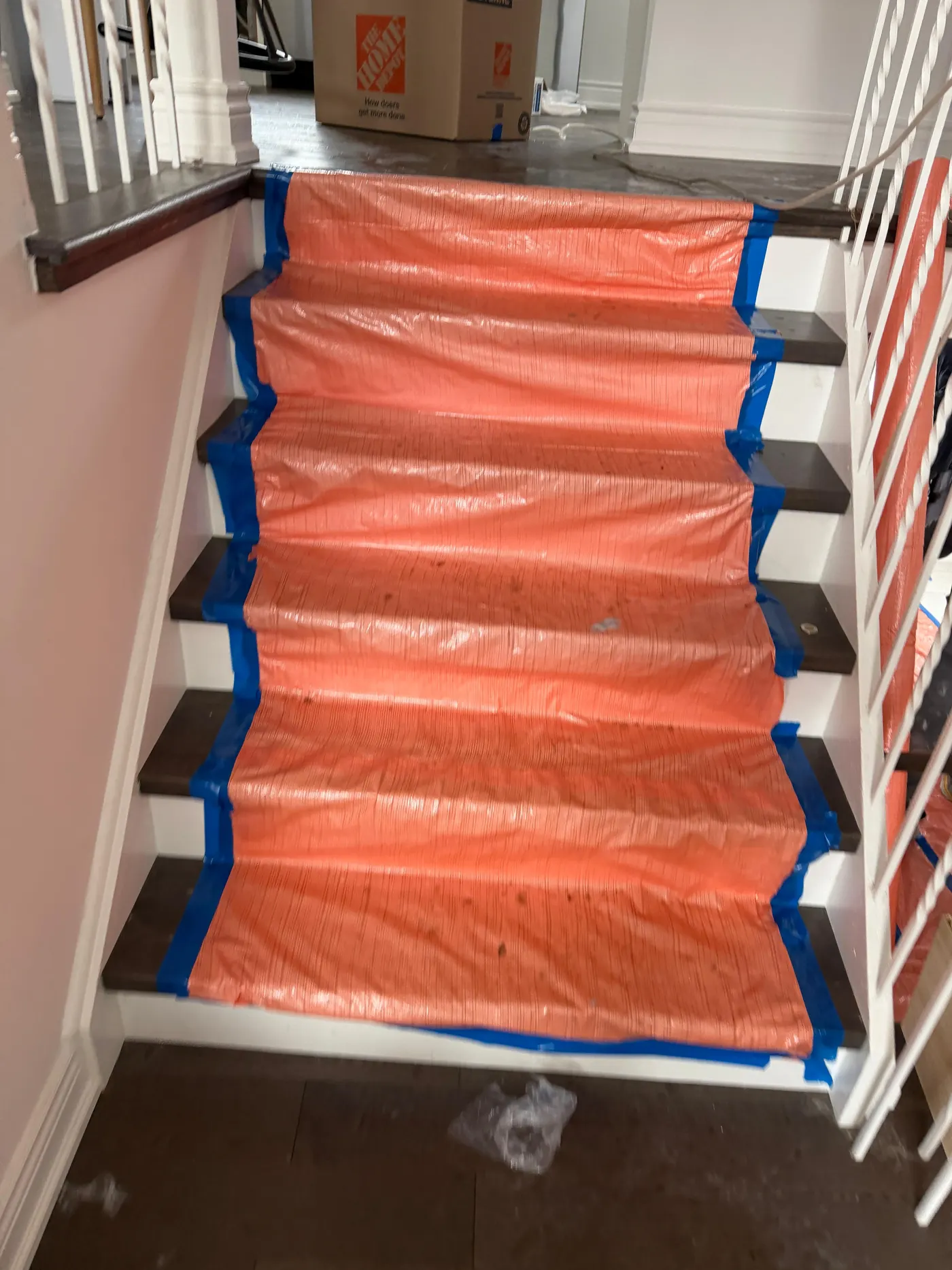
Day one: secure the building, document everything for the claim, extract water, place drying equipment, and stabilize soot on the most vulnerable surfaces.
First week: contents are inventoried and separated, restorable items cleaned and stored, unsalvageable items listed for the settlement, never just thrown out. Structural cleaning and odour treatment run room by room.
Rebuild: once the structure is clean, dry and odour-free, repairs run under a written scope agreed with your adjuster: framing, drywall, flooring, paint, and the details that make it your house again rather than a unit.
Your belongings: cleaned, stored, itemized
Half the pain of a fire is the contents, and the contents are where documentation earns its keep. Restorable items are inventoried, photographed, cleaned and stored until the house is ready for them. Unsalvageable items are not just hauled away: each one goes on the loss inventory with a photo, because that list is the basis of your contents settlement, and memory is a terrible inventory tool a month later. Tell us early about the things that matter beyond money, and they move to the front of the cleaning queue.
What does fire restoration cost?
Honest ranges, with the caveat that fire varies more than any other loss we handle: light smoke cleanup of a contained kitchen fire typically runs $2,000 to $10,000. A room fire with structural repairs commonly lands between $10,000 and $30,000. Major losses are effectively construction projects and get scoped line by line with your insurer. Because fire is a covered peril on essentially every Ontario home policy, as theInsurance Bureau of Canada sets out, your real out-of-pocket is usually the deductible, and our documentation exists to keep the settlement matching the actual damage. We do restoration services in Georgetown at every scale, but fire is the one where the insurance file quality matters most.
Before we arrive, after the fire department releases the scene
- Do not re-enter until the fire department says the structure is safe, and even then keep visits short.
- Do not wipe or wash soot from walls or ceilings.
- Do not run the furnace or air conditioning; it spreads residue deeper into the system.
- Photograph everything before anything is moved.
- Take medications, documents, and a few days of clothing, and note everything else you removed.
- Call your insurer's claims line, then call us, or call us first and we will help you make that call.
Fire and smoke damage questions
Can I stay in the house after a small fire?
Often no, even when the flames touched one room. Soot and smoke residue are irritants that travel through the whole HVAC system within minutes, and the air can be worse than it smells. Let us assess it before anyone sleeps there, especially children or anyone with breathing issues. If the house is not habitable, most home policies cover additional living expenses, keep every receipt.
Why can’t I just wash the soot off myself?
Because soot is acidic and wet-wiping the wrong surface drives it into the finish permanently. Different residues need different cleaning: dry chemical sponges for some surfaces, solvent cleaning for others, and some materials are only saved by knowing not to touch them yet. The first 48 hours decide what is restorable, which is why a fast, correct start matters more here than in any other kind of restoration.
How do you get the smoke smell out?
Layers. Remove what cannot be saved, clean every surviving surface, then treat the air and cavities, typically with HEPA filtration plus hydroxyl or ozone treatment while the house is unoccupied, and sealing of any framing that still holds odour. Spraying deodorizer over smoke residue is masking, not restoration, and it fails within weeks.
What happens to everything the fire hoses soaked?
Firefighting water is its own loss on top of the fire. It soaks framing, drywall and flooring exactly like a burst pipe would, and it starts the same 24 to 48 hour mold clock. Drying starts alongside the fire cleanup, not after it, or you end up restoring the house twice.
How long does fire damage restoration take?
Board-up and stabilization happen day one. Cleaning and odour treatment on a contained fire typically run one to three weeks. Rebuild depends entirely on scope: a kitchen refit might be four to six weeks, a structural loss several months, and insurance approval time sits inside all of those numbers. What we commit to is a written schedule up front and a call the moment anything moves it.
Will insurance cover fire damage restoration?
Fire is a core insured peril on essentially every Ontario home policy, so coverage itself is rarely the fight; scope is. What gets rebuilt, what gets cleaned versus replaced, and what the contents settlement looks like all ride on documentation. We photograph and inventory everything before cleanup starts and scope the job with your adjuster directly.